


20 Oct What’s Going Into Your Baler? Why Battery Awareness Matters
When your team loads a baler, compactor, or shredder, they’re focused on getting material processed and keeping work moving. But something as small as a rechargeable battery mixed into that material can create a serious problem.
For businesses handling cardboard, paper, plastics, and other recyclables, knowing what goes into the equipment is part of operating it safely.
A Small Battery Can Create a Big Problem
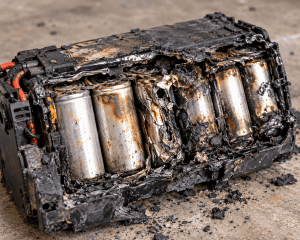
Lithium-ion batteries are found in phones, cordless tools, laptops, and many other everyday products. Sometimes the battery is easy to spot. Other times, it’s tucked inside a discarded device.
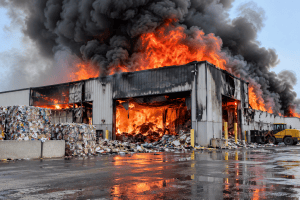
If a battery is crushed or punctured during processing, it can overheat and catch fire. Nearby material can then become fuel, putting employees and equipment at risk and interrupting your operation.
That’s why batteries and battery-powered devices need to stay out of general-purpose recycling and waste handling equipment.
Make Sure Your Team Knows What to Look For
Don’t assume everyone loading the equipment knows which materials are acceptable.
Review those expectations with your operators, new employees, and anyone collecting material throughout your facility. Post clear reminders near loading areas and explain how to report a battery or questionable item before it reaches the machine.
A few questions to ask your team:
- Do we know what materials are approved for this equipment?
- Could battery-powered products be getting mixed into our recyclables?
- Does everyone know who to notify if they find a battery?
- Do we have an established procedure for trained personnel to handle those items?
These are useful questions to revisit when your material stream, staffing, or collection process changes.
Have a Plan Before You Need One
Preventing batteries from entering the equipment is the first priority. Your team also needs to know what to do if an incident occurs.
Review your emergency plan with your local fire department and qualified safety professionals. Make sure it addresses battery hazards and clearly explains employee responsibilities, evacuation procedures, and when to call emergency services.
Any response equipment or firefighting methods should be selected for your facility’s specific hazards with professional guidance.
Employees should understand their role ahead of time, including when to leave the area and let trained responders take over.
Add It to Your Next Safety Meeting
Battery awareness doesn’t need to be a complicated conversation. Start with what your team handles every day.
Walk through the materials coming into your facility, where unwanted items could get mixed in, and how employees should report them. Review your emergency procedures and give the team an opportunity to ask questions.
The goal is simple: make sure everyone understands what belongs in the equipment and what to do when something doesn’t.
Keep Your Equipment and Application Matched
At Ely Enterprises, we work with customers on balers, compactors, shredders, conveyors, and the service needed to keep them operating.
If the materials you’re processing have changed, let’s talk about whether your equipment is still suited to the job. Understanding your application helps us recommend equipment and service that fit your operation.
Contact our team at elyent.com.
Source background: “Responding to Battery Fires,” Deanne Toto, Recycling Today, September 2026.
